Modern petrol engines are engineered with precision to deliver smooth performance, efficiency, and reliability. Each component plays a vital role in converting fuel into controlled mechanical power. From combustion to motion, the system works in perfect synchronization to ensure an optimal driving experience. Understanding these parts helps improve maintenance awareness and supports long-term durability.
Engine Block and Cylinder Assembly
The engine block forms the foundation of the engine, housing the cylinders where fuel combustion takes place. It is designed to withstand high pressure and temperature while maintaining structural strength. Cylinders guide piston movement and ensure controlled combustion cycles.
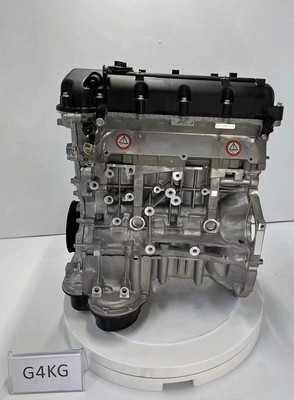
- Provides structural support and alignment of components
- Houses cylinders for combustion process
- Maintains heat resistance and durability
- Ensures stability during engine operation
Piston and Crank Mechanism
Pistons move up and down inside cylinders, converting combustion energy into mechanical force. This force is transferred to the crankshaft, which changes linear motion into rotational energy. The system ensures smooth power delivery and efficient engine operation under different driving conditions.
- Pistons compress air-fuel mixture efficiently
- Crankshaft converts motion into rotation
- Connecting rods link piston and crankshaft
- Ensures balanced engine power output
Valve Train System
Valve train system controls intake i30 engine for sale of air-fuel mixture and expulsion of exhaust gases. Camshaft operation ensures precise timing for opening and closing valves, maintaining combustion efficiency and performance consistency.
- Controls airflow in and out of cylinders
- Camshaft manages valve timing accurately
- Valves ensure sealed combustion chamber
- Improves engine efficiency and performance
Fuel and Ignition System
Fuel and ignition system delivers the correct air-fuel mixture and ignites it for combustion. Fuel injectors ensure precise fuel delivery, while spark plugs generate the spark required for ignition. This coordination is essential for smooth engine starts and efficient power generation.
- Fuel injectors provide accurate fuel supply
- Spark plugs ignite combustion mixture
- Maintains optimal air-fuel ratio balance
- Enhances fuel efficiency and response
Lubrication and Cooling System
Lubrication and cooling systems work together to reduce friction and control engine temperature. Engine oil lubricates moving parts, minimizing wear and tear, while the cooling system prevents overheating during continuous operation. These systems ensure long-term engine health and performance stability.
- Reduces friction between moving parts
- Maintains safe operating temperature
- Prevents overheating and mechanical damage
- Extends engine lifespan significantly
Electronic Control System
Electronic control system acts as the brain of the engine, managing fuel injection, ignition timing, and emissions control. Sensors continuously monitor engine conditions and send data for real-time adjustments, ensuring optimal performance and efficiency. Efficient coordination of these components results in smooth operation, better fuel utilization, and consistent performance across varying driving conditions.